

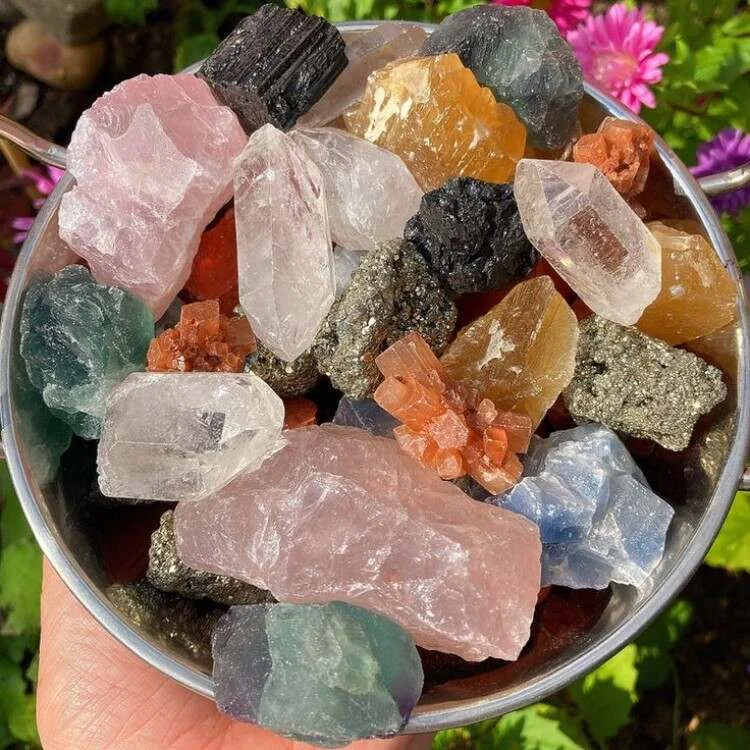
What Makes Pakistan a Treasure of Gemstones-Gemstones of Pakistan
Pakistan is blessed with breathtaking landscapes and a rich geological heritage. Making it home to some of the world’s most beautiful natural gemstones found in Pakistan. From the sparkling valleys of Gilgit-Baltistan, KPK, and to the Balochistan. . These gems are not just valuable for their beauty, but also for their cultural significance, spiritual meanings, and economic importance.
Whether it’s the deep green authentic Swat emerald stone, the fiery ruby and sapphire from Hunza. Or the serene aquamarine from Shigar Valley, or the beautiful Quartz from Balochistan . Each stone tells a story of nature’s artistry and Pakistan’s rich mining traditions.

Why Peshawar Became the Hub of Pakistan’s Gemstone Trade
There are many types of gemstones in Pakistan. They can be found among the nation’s three mountain ranges – the Hindu Kush, the Himalayas, and the Karakoram. In the provinces of Khyber Pakhtunkhwa, Gilgit-Baltistan, Balochistan, and the Federally Administered Tribal Areas. Pakistan’s gemstone market has grown into a vital industry, with Peshawar leading as the hub of the gem trade. The city connects local miners and traders to international buyers through gem exhibitions.
Gemstone Industry of Pakistan-Gemstones of Pakistan
In 1979, Gemstones Corporation of Pakistan was established to develop the gemstones sector in Pakistan. However in 1997 the corporation liquidated. Now a number of organizations are working in this sector . Including All Pakistan Commercial Exporters Association of Rough & Unpolished Precious and Semi Precious Stones (APCEA). And Pakistan Gems and Jewellery Development Company (PGJDC). The Pakistan Gems and Mineral Show has been held annually in Peshawar since 1994. However, it has not attracted much attention from potential international buyers.
Gemstone Market of Pakistan-Gemstones of Pakistan
The southern port city of Karachi was once the biggest market for facet and rough-cut gems in Pakistan. However, after the Soviet invasion of Afghanistan, the gem market shifted to Peshawar. Peshawar became the hub of the gemstone trade. Due to the long and porous border with Afghanistan, many gemstones from the country are now also found in Pakistan. Since 1979, Peshawar has been the primary direct market for all gems found in both Pakistan and Afghanistan. Pakistan Gems and Jewellery Development Company regularly holds Gem Bazaars (exhibitions) in Quetta and Peshawar. Where gemstones attested by the Gemstone Identification Laboratory are traded. In Islamabad, so far, three such exhibitions have been held. In the January 2012 exhibition, around two hundred companies from Pakistan displayed their items. The third Islamabad Gem Exhibition was held in February 2013, where 80 national gem traders displayed their products.


Gemstones of Pakistan-Where Nature Hides Its Treasures:
Pakistan is world-renowned for its rich deposits of precious and semi-precious stones. From the Emerald mines of Swat in Khyber Pakhtunkhwa to the Aquamarine-rich valleys of Gilgit-Baltistan . And the hidden treasures of Balochistan, each region showcases unique gemstones that are valued worldwide. These gemstone-producing areas not only boost Pakistan’s economy but also highlight the country’s geological diversity and natural beauty. Pakistan’s western and northern areas are home to three mountain ranges. Hindukush, Himalaya, and Karakorum – which are home to all the minerals found in Pakistan. Some of the major mining areas along with their main gemstone yields are mentioned below:
Khyber Pakhtunkhwa-Land of Emeralds and Minerals
The province of Khyber Pakhtunkhwa has three large mountain ranges. Hindukush covers the area to north and north-west, Karakoram to the north and north-east, and the Himalayas to the east. According to the Bureau of Statistics of Khyber Pakhtunkhwa. 2568 tonnes of Baryte and 85 tonnes of Corundum were produced in 2005-2006. And 1416 tonnes of Quartz was produced in 2006–2007 in the province. According to one source, Swat has reserves of 70 million carats of Emerald. Mardan has reserves of 9 million carats of Pink topaz. And Kohistan has 10 million carats worth of reserves of Peridot. Recently, Chitral has emerged as a promising new source of Emeralds in Khyber Pakhtunkhwa. These emerald deposits are gaining attention for their deep green color and high clarity. Adding to the global recognition of Pakistan’s emerald reserves.
Ex FATA
The former Federally Administered Tribal Areas (FATA), now merged with Khyber Pakhtunkhwa (KPK), are geographically diverse, consisting of rugged hills, barren plains, and mountain ranges. The northern agencies of Bajaur and Mohmand are hilly, while the central regions of Khyber, Kurram, and Orakzai are dominated by the Safed Koh range. In the south, North and South Waziristan are home to the Sulaiman Range and the Waziristan Hills.
When it comes to natural wealth, this region holds immense potential. In the northern belts, Emerald and Tourmaline are commonly found, adding great value to Pakistan’s gemstone reserves. Moving towards Bajaur and South Waziristan, deposits of Garnet and Quartz are present, which have long been known to locals but remain largely underdeveloped. Furthermore, other gemstones such as Aquamarine, Topaz, Spinel, Epidote, and Fluorite have also been reported, though many of these resources are still awaiting proper exploration. For instance, official records show that 29,759 tons of Quartz were extracted from Mohmand Agency during 2003–2004, highlighting the scale of untapped opportunities.
Beyond gemstones, the region is equally renowned for its ornamental stones. High-quality Granite, Marble, and Nephrite (Jade) are extensively quarried here and exported worldwide. With such vast reserves, Ex-FATA and Khyber Pakhtunkhwa stand as vital hubs for Pakistan’s gemstone and ornamental stone industries, offering enormous potential for future development if properly managed.


Gilgit Baltistan-Treasure of the Karakoram:
The three great mountain ranges of Gilgit-Baltistan — the Himalayas, Hindukush, and Karakoram . Are home to some of the world’s most valuable gemstones. The valleys of Skardu, Hunza, Shigar, and Astore are famous for producing stunning Bquamarine, Topaz, and Tourmaline. Emerald, Ruby, Sapphire, and Moonstone are also discovered in selected deposits. Other remarkable finds include Amethyst, Peridot, Garnet, Spinel, Pargasite, Diopside. Sphene, Apatite, Azurite, Rose quartz, and Agate, making this region a true gemstone Heaven.
Azad Kashmir: The Untapped Gemstone Belt:
Azad Kashmir, known for its scenic valleys and lush landscapes, also holds promising reserves of gemstones and minerals. Deposits of Ruby, Sapphire, Garnet, and Tourmaline have been reported in areas such as Neelum Valley and Muzaffarabad. Ruby & Sapphire of this region are very famous and rare. While pockets of Amethyst, Quartz, and other minerals are also present.Though less explored compared to Gilgit-Baltistan and Khyber Pakhtunkhwa. Azad Kashmir is considered an emerging gemstone belt with vast potential for future development.
Balochistan- Rich Land of Hidden Treasures:
Balochistan is the largest province of Pakistan by area and is covered by rough terrain and rugged mountain ranges. Major mountain ranges of the province include Makran, Sulaiman, Toba Kakar, and Kirthar. Baluchistan, is renowned for its vast reserves of minerals, gemstones, and ornamental stones. The region is particularly famous for its high-quality Quartz, Malachite, Azurite, Garnet. Zircon, Obsidian, Lapis lazuli, Aragonite, Fluorite and Brookite found across different districts of Baluchistan.
The province is equally rich in Onyx marble, Granite, and Chromite, which are extensively mined and exported worldwide. Areas like Kharan, Chagai, and Lasbela are known for hosting deposits of Fluorite, Magnesite, and other semi-precious stones. Baluchistan is a powerhouse of Pakistan’s mineral and gemstone economy. With further exploration, this resource-rich province holds immense potential to contribute even more to the country’s gemstone industry.


Why Pakistan’s Gemstone Industry Struggles Yet Holds Promise
Challenges in Pakistan’s Gemstone Industry
Pakistan holds some of the world’s richest gemstone reserves, especially in Gilgit-Baltistan, Khyber Pakhtunkhwa, Azad Kashmir, and Baluchistan. These regions produce a wide variety of precious and semi-precious stones. Yet the gemstone industry struggles to realize its full potential.
One major challenge comes from outdated and unsafe mining techniques. Miners often use primitive tools, which waste a significant portion of high-quality stones and put workers at risk. Another obstacle lies in the lack of modern cutting and polishing facilities. As a result, traders export raw stones at low prices . Instead of selling finished, value-added gemstones that could earn much higher profits. Moreover, the absence of internationally recognized certification systems . Makes it difficult for Pakistan’s gemstones to compete in global markets where trust and authenticity drive sales.


Opportunities for Growth and Global Recognition
Despite these challenges, the industry offers enormous opportunities. With the adoption of modern mining technology, Pakistan can increase extraction efficiency and reduce losses. At the same time, training skilled gemstone cutters and lapidaries will allow the country to produce jewelry-grade stones. Locally, keeping more value within the economy. Furthermore, establishing certification labs can help Pakistan build credibility and gain buyers’ confidence in international markets.
To fully unlock these opportunities, the industry also needs better branding and global outreach. By strengthening online marketing and actively participating in international gem fairs. Pakistan can showcase its diverse gemstone variety to a wider audience. With government support, investment in infrastructure, and collaboration between miners, traders, and jewelers. The gemstone industry can transform into a powerful driver of economic growth.
“If you want to learn more about the history and benefits of individual stones, explore our detailed Blogs“


How Pakistan Can Shine in the Global Gemstone Market
Pakistan has the potential to become a global leader in gemstones by upgrading its industry. Modern mining, local cutting and polishing, certification labs, and jewelry manufacturing can add significant value. Branding Pakistani gemstones like Swat emeralds and Hunza rubies will boost global recognition. Public–private partnerships and gemology education can further strengthen the sector, turning gemstones into a sustainable pillar of the economy.
Conclusion: Gemstones of Pakistan
Pakistan holds a remarkable wealth of gemstones hidden in its majestic mountains and valleys. From the emeralds of Swat to the rubies of Hunza . These natural treasures showcase not only the nation’s geological diversity but also its deep cultural heritage. However, despite their beauty and value, Pakistan still underutilizes its gemstones.
To move forward, the country must take decisive steps. By modernizing mining methods, establishing local cutting and polishing centers. By building certification systems and promoting global branding, Pakistan can transform its gemstone industry. These actions will create thousands of jobs, empower local communities, and significantly strengthen the national economy. Moreover, they will position Pakistan as a leading source of high-quality gemstones in international markets.
Ultimately, gemstones represent far more than ornaments of beauty—they symbolize growth and opportunity. If Pakistan unlocks their true potential, it can convert its natural treasures into a shining future for the nation’s Economy…..
Regards: Yasirgemstones
Trước đây mình ít để ý nhưng sau khi thử 888slot link thì thấy khá ổn. TONY06-29